
Blog di Render Farm
Benvenuti nel nostro blog Render Farm! Immergetevi con noi nel mondo del 3D, con approfondimenti sul settore, storie di making-of, consigli di esperti, offerte speciali e le nostre esclusive caratteristiche RebusArt. Lasciatevi ispirare e spingetevi oltre i confini del rendering con noi!
RebusArt featuring Hamid Reza Abbasi
Mercoledì, 14 Ottobre 2026 by Nicole Holt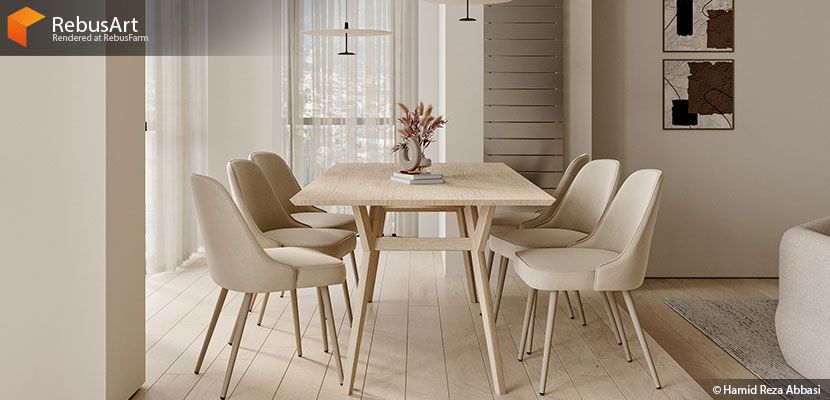
In our latest RebusArt Feature, we introduce you to Hamid Reza Abbasi, an architect, 3D artist and educator. Hamid combines his architectural background with a passion for realistic visualization, bringing together design, lighting, materials, and atmosphere in his work. Join us as we learn more about his journey in the 3D industry, his creative approach, and the process behind his Minimalist Apartment project.
What Is Subsurface Scattering? How SSS Makes Skin, Wax, and Marble Look Real in 3D
Martedì, 13 Ottobre 2026 by Nicole Holt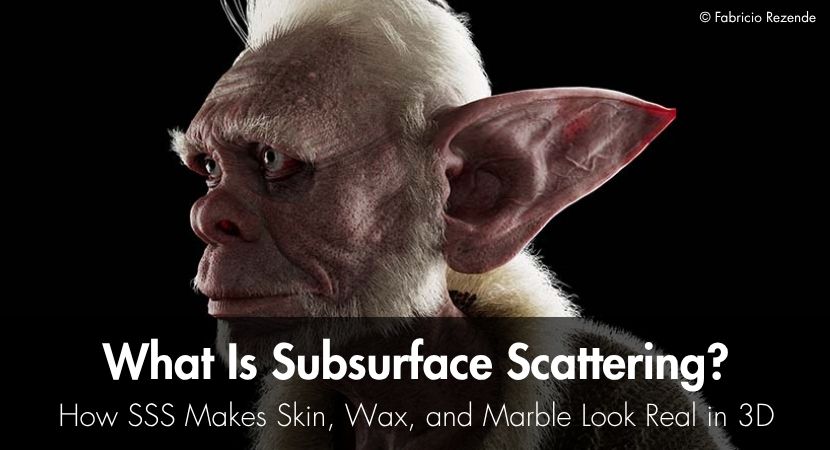
Have you ever pressed a flashlight against your fingers and noticed how light goes through them and makes them glow a warm red color? This effect is called subsurface scattering (SSS): light enters a material, scatters beneath its surface, and exits elsewhere.
The same behavior can also be observed in semi-translucent materials like wax, marble, jade, and even food. This effect is quite important in 3D rendering as it makes objects look realistic. Without it, objects may appear unnaturally flat, opaque, and plastic-like.
What Are Caustics in 3D Rendering? Types, Methods, and How to Render Them
Venerdì, 09 Ottobre 2026 by Nicole Holt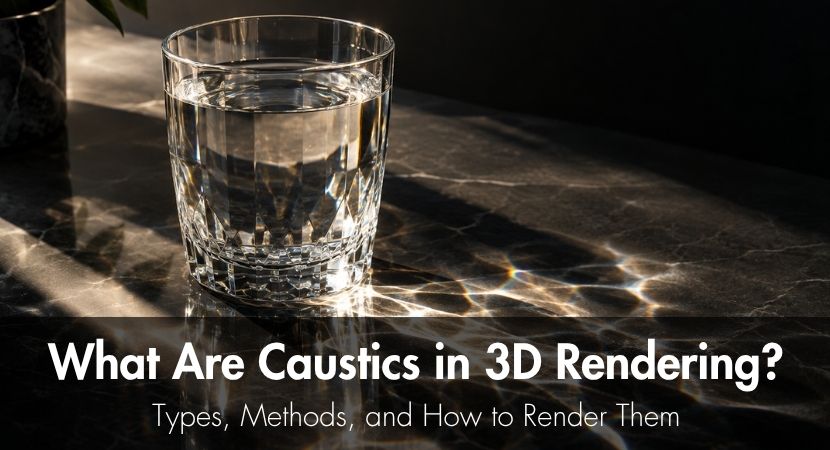
Caustics, or caustic lighting, are one of the most recognizable effects in 3D rendering, appearing as concentrated patterns of light around reflective or refractive objects. They are also among the hardest lighting effects to reproduce accurately.
Naturally, they can take a long time to render without multiple computers or the help of a render farm, because they involve complex lighting calculations. For animators, this creates a trade-off between rendering speed and visual quality, as well as the question of whether to simulate caustics physically or use artificial techniques to achieve a similar effect. We’ll explore both approaches in more detail below.
In this guide, we'll cover reflective, refractive, and water caustics, along with common rendering methods, including ray tracing, path tracing, photon mapping, and faster simulated techniques.
What Is CGI Animation? How CGI Works in Movies and Games
Giovedì, 03 Settembre 2026 by Nicole Holt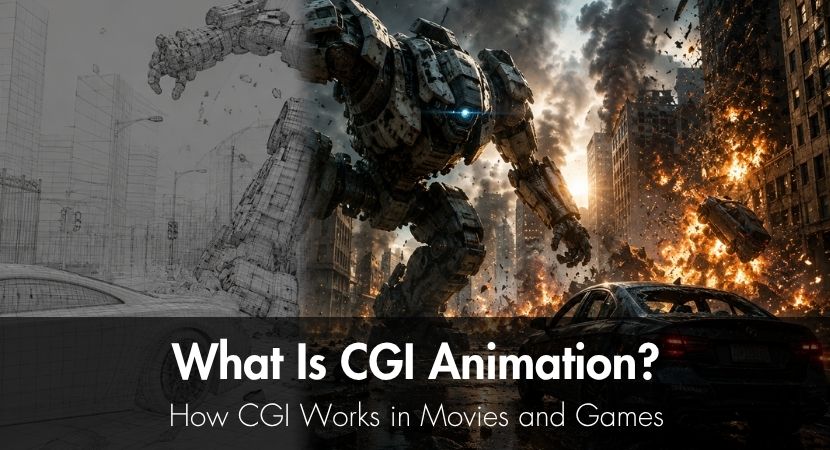
CGI, or computer-generated imagery, is any visual content created with computer software, from still images and digital effects to fully animated 2D or 3D scenes. It has dominated modern film and game production for a long time because it simply makes physically challenging or even impossible scenes doable. CGI can make many productions more efficient by reducing repetitive manual work and allowing assets to be reused.
After reading this guide, you'll know what CGI is, how it's made, the software professionals use, how rendering works, what makes CGI look realistic, and why some CGI falls short.
RebusArt featuring Ahmad Eghtesad with Baobab Waterfall
Mercoledì, 02 Settembre 2026 by Nicole Holt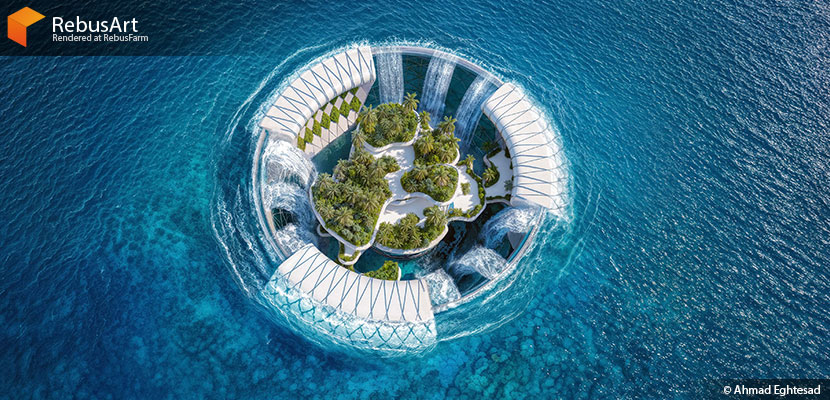
Welcome back to RebusArt, Ahmad! It’s great to have you with us again. When we last spoke in January 2025, we explored your journey as a 3D artist, your passion for storytelling, and the creative vision behind your architectural visualizations. Since then, you’ve brought several impressive new projects to life, including Baobab Waterfall. We’re excited to catch up, see how your work and artistic approach have evolved, and take a closer look at the ideas and creative process behind your latest project.
What Is Stop Motion Animation? Types, History, and Famous Examples
Martedì, 25 Agosto 2026 by Nicole Holt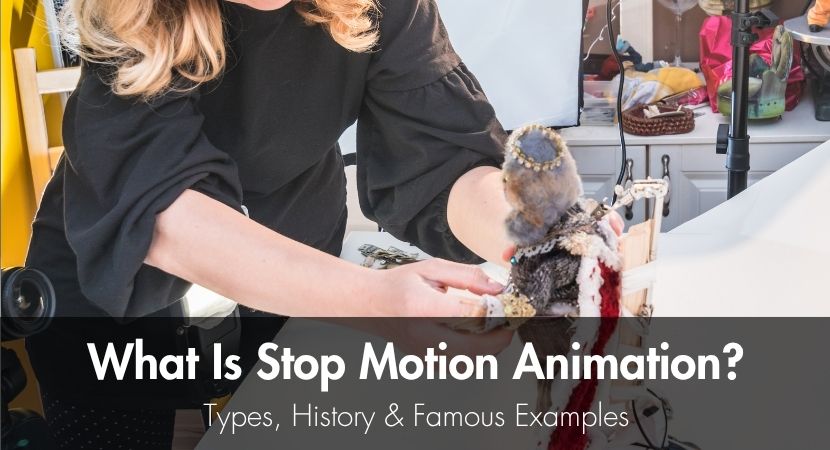
Stop motion is an animation technique in which physical objects are photographed one frame at a time and shifted in tiny increments between shots. Played back in sequence, those frames create the illusion of smooth movement. The method dates back to 1898 and is still actively used in film, TV, and advertising today.
In this guide, we’ll talk about what stop motion is, different stop motion types, its rich history, stop motion in movies, how it’s made, and why we still see this age-old technique even in this new era dominated by CGI and AI tools.
Follow Through and Overlapping Action: The Animation Principle That Prevents Stiff Motion
Martedì, 04 Agosto 2026 by Nicole Holt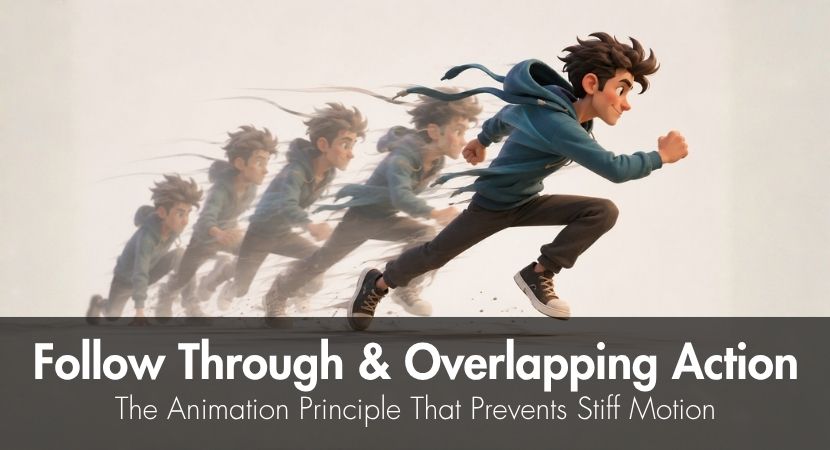
Follow through and overlapping action are two core principles from the 12 basic principles of animation, and they exist to prevent motion from looking stiff or mechanical. Introduced by Disney animators, both describe how parts of a body or object keep moving after and around the main action, instead of starting and stopping all at once.
Stiff motion occurs when an object moves from one position to another at a constant speed and stops suddenly. In reality, body parts and objects slow down, overlap, and settle naturally rather than stopping instantly.
This guide covers how follow-through and overlapping action make animation more natural and the physics behind it. We’ll also talk about body hierarchy, material timing, and how all these concepts can be observed in popular films.
We’ll also be giving practical exercises for you, so you can master follow-through and overlapping action in your own work.
RebusArt featuring Reza Eftekhari
Mercoledì, 15 Luglio 2026 by Nicole Holt
Some artists leave a lasting impression, and Reza Eftekhari is certainly one of them. Known for his thoughtful approach to architectural visualization and his ability to create spaces that feel both cinematic and authentic, Reza continues to push his craft forward while embracing new technologies and creative workflows. We are delighted to welcome him back to RebusArt and take another look at his artistic journey, his evolving perspective on archviz, and the ideas behind his personal project, Scandinavian Kitchen.
Smear Frames in Animation: How Animators Create Fast and Dynamic Motion
Martedì, 14 Luglio 2026 by Nicole Holt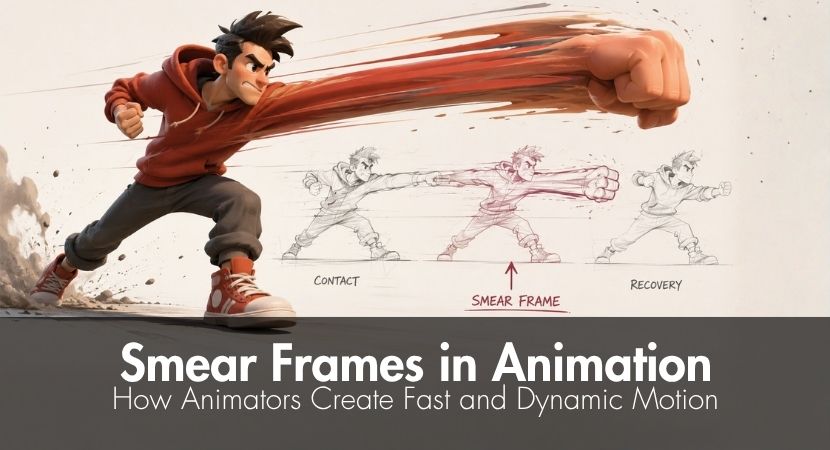
Animation is all about bringing still images to life, piecing frame after frame together to build the illusion of movement. While the concept sounds simple, creating believable motion requires careful control of timing, spacing, and transitions so that every action feels smooth and natural.
One of the common challenges both beginners and professionals face? Fast and dynamic movement.
One of the most effective techniques is smear frames. By briefly stretching or multiplying the appearance of a moving object between key poses, smear frames create the illusion of continuous motion while keeping the action clear to the viewer.
This technique is used in both 2D and 3D animation. After reading through this guide, you'll know what smear frames are, their importance, the best time to use them, when not to, practical tips, and more.